Latest projects
My focus is on solving design challenges through user-centric strategies, ensuring every project achieves both client goals and exceptional user experiences. Explore my portfolio to see how I can help elevate your digital presence.









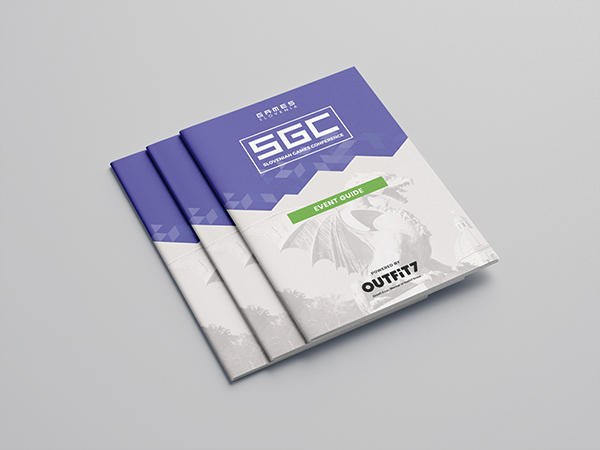
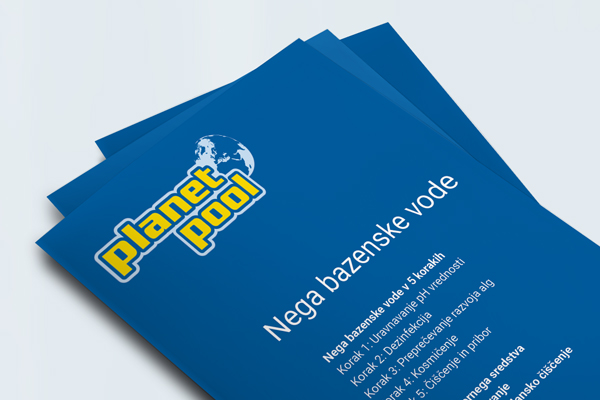




How I help companies grow and modernize
My specialties span UI/UX design, web solutions, and creative branding, giving you the flexibility to find the perfect design partner for your project. Whether you’re launching a product or refreshing your identity, I’m here to help.

Digital Strategy & UX
- Auditing existing websites, systems, and user flows
- Identifying UX, SEO, and conversion gaps
- Structuring user journeys aligned with business goals
- Wireframing and prototyping future solutions
- Improving usability, clarity, and performance

Web & Platform Design
- Designing modern, high-performing websites
- Creating scalable web and app interfaces
- Responsive design across devices
- Optimizing for SEO, accessibility, and speed
- Preparing design systems for development

Visual Identity & Communication
- Evolving or redesigning brand identities
- Creating consistent visual systems
- Designing digital and print materials
- Improving clarity and professionalism of communication
- Aligning visuals with business positioning

Development & Implementation
- End-to-end website and platform delivery
- Close collaboration with front- and back-end developers
- Translating design into scalable solutions
- Supporting technical implementation and structure
- Ensuring consistency from concept to launch

SEO & Analytics
- Technical and on-page SEO improvements
- Structuring content for better search visibility
- Setting up and optimizing GA4 & Google Search Console
- Identifying performance gaps and opportunities
- Data-driven decision-making and reporting

Growth & Optimization
- Improving conversion and user engagement
- Optimizing existing websites and funnels
- Enhancing social media performance through design & structure
- Continuous iteration based on real data
- Supporting long-term digital growth
Clients I've worked with
I’ve collaborated with diverse clients—from small businesses to global SaaS companies in Silicon Valley—creating user-friendly interfaces, engaging web designs, and cross-functional marketing assets.

A partner, not just a designer 🌱
Over two decades of experience delivering user-focused digital designs.
Expertise in collaborating with cross-functional teams, including developers and marketers.
Proven track record of solving complex design challenges for global SaaS companies and local businesses.
A reliable, solutions-driven approach, tailored to meet your business goals.
-

Ajda is dedicated to excellence and perfection and that reflects in here work. She is always ready to help and proactive when problems arise, this leads to results that are border on art. Working with Ajda has always been a pleasure and I am looking forward on working with her on many more projects!
- Zvonko
- UI/UX design, Web & Marketing design

-

I was excited and knew that our project will be a success when I heard that our web designer is Ajda. We successfully cooperated in the past on a website redesign and our school programs promotion.
- Vanja K.
- Web design
-

Ajda’s brought to Blocksi very well formalized and best industry practices in UX and graphic design. Thanks to her deep understanding of graphics, sense of user experience and creative mind, Blocksi has made a breakthrough in terms of marketing and product design.
- Fuad Bahou
- UI/UX design
-

Ajda is a great professional, enthusiast and always happy to help with new ideas or suggestions of improvement. I highly recommend Ajda for her professionalism and great attitude.
- Rui Bras Fernandes
- Product design
-

I have been working with Ajda on several pojects now. She is one of the most creative and dilligent artists I've had the opportunity to work with.
- Jernej Kocjancic
- Graphic design
